
Building Cognitive Reserve: Why Puzzle Therapy is the Best Mental Exercise for Seniors
- Jan 22
- 3 min read
Updated: Feb 4
You've probably heard the advice: stay mentally active as you age. But what does that actually look like in practice? For a growing number of seniors and wellness practitioners, the answer is surprisingly simple: puzzle therapy.
Jigsaw puzzles aren't just nostalgic pastimes. They're now recognised as powerful mental stimulation puzzles that build what neuroscientists call cognitive reserve: the brain's ability to maintain function despite age-related changes.
What Is Cognitive Reserve (And Why Does It Matter)?
Think of cognitive reserve like a savings account for your brain. The more you deposit through mentally engaging activities, the more you have to draw from when natural decline begins.
Research shows that individuals who regularly engage in complex leisure activities, like puzzles, experience measurably slower rates of cognitive decline. The mental effort required creates new neural pathways and strengthens existing connections, helping the brain compensate for wear and tear over time.

The Science Behind Puzzle Therapy
Puzzle therapy works because it activates multiple brain regions simultaneously. When you search for a specific shape, recall where you saw a matching colour, or rotate a piece mentally: you're exercising memory, logic, and spatial awareness all at once.
Here's what the research tells us:
Memory and Focus: Searching for specific pieces among hundreds reinforces short-term memory recall and sharpens attention.
Neuroplasticity: Puzzles encourage the brain to form new connections, maintaining its ability to reorganise and adapt.
Visuospatial Skills: These abilities commonly weaken with age, but regular puzzling helps preserve them.
Studies also link lifetime jigsaw puzzle experience with better visuospatial cognition in adults over 50: a clear indicator that the benefits compound over time.
Beyond the Brain: Emotional and Social Benefits
Brain health isn't just about cognition. Emotional well-being plays a crucial role, and puzzles deliver here too.
The meditative focus of fitting pieces together reduces stress by shifting attention away from worries. It's a gentle, grounding activity: particularly valuable for those experiencing anxiety or restlessness.
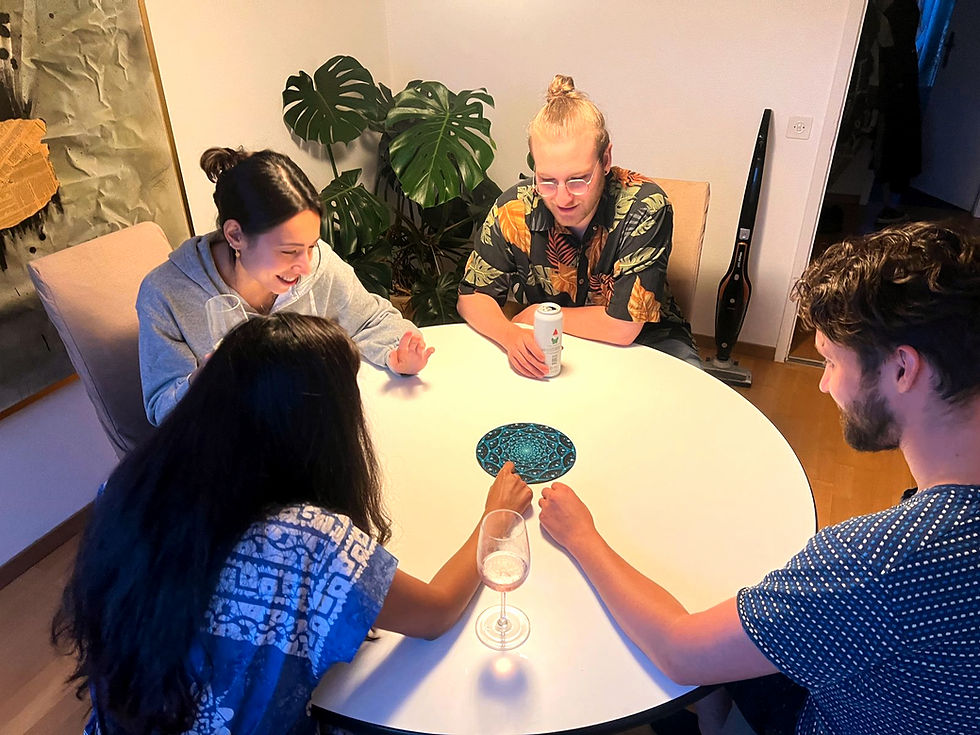
When done in group settings, puzzles also encourage social interaction. This matters enormously: research consistently links social engagement with reduced risks of dementia and depression. Loneliness accelerates cognitive decline, but shared activities like puzzling offer a low-pressure way to connect.

A Realistic Perspective on Dementia Prevention
Let's be clear: puzzles alone won't prevent dementia. However, studies show they can delay the onset of Alzheimer's and related conditions by keeping the brain actively engaged.
Experts recommend combining mental stimulation puzzles with physical exercise and healthy nutrition for a comprehensive approach to cognitive wellness.
Getting Started: Practical Tips
Consistency matters more than intensity. Even 15-20 minutes daily provides meaningful cognitive exercise.
The key is matching difficulty to ability. Start where you're comfortable, then gradually increase complexity. The goal is sustained engagement, not frustration.
Organisations like The Puzzle Maniac now offer structured puzzle therapy sessions designed specifically for seniors and wellness communities, making it easier than ever to incorporate this practice into daily routines.
The Takeaway
Cognitive resilience isn't built through one grand gesture. It's built through small, consistent acts of mental engagement, and jigsaw puzzles offer one of the most accessible, enjoyable ways to do exactly that.
Whether you're caring for an ageing parent, working in senior wellness, or simply planning for your own future, consider adding puzzle therapy to the toolkit. Your brain will thank you.
Comments