
The Ultimate Guide to Choosing the Right Puzzle for Your Mood
- Feb 13
- 2 min read
Updated: Apr 9
You know that feeling when you want to do something but nothing sounds right? You're restless but exhausted. Bored but overwhelmed. Here's the thing most people don't realise: not all puzzles serve the same purpose. Just like you wouldn't blast heavy metal when you need to sleep, you shouldn't grab any random puzzle when your brain's screaming for something specific.
Let's fix that. Here's your mood-to-puzzle matching guide.
When You're Stressed Out: Go Tactile and Repetitive
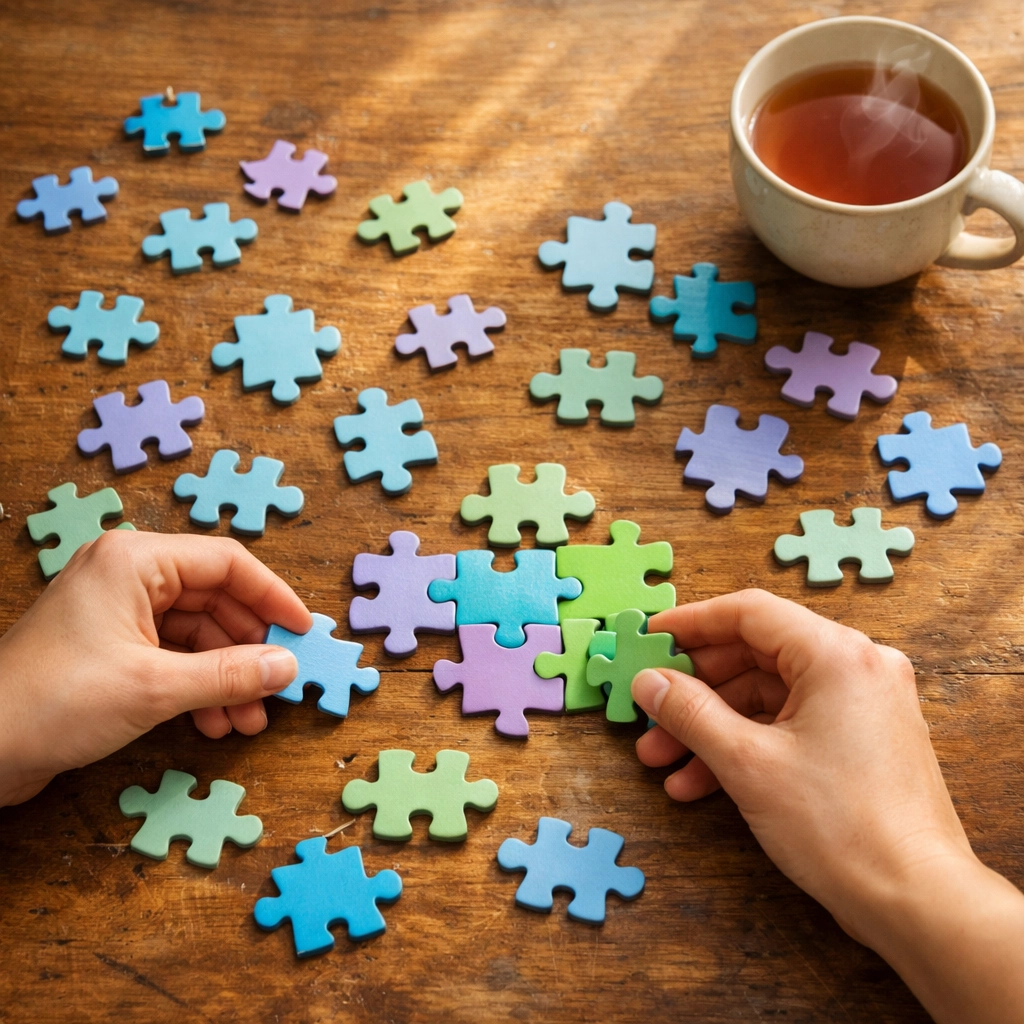
Stress needs rhythm, not complexity. Your nervous system is already on fire: don't add mental gymnastics to it.
Best picks: Jigsaw puzzles with 300-500 pieces, color-sorting activities, or something like our CircZle Therapy sessions where the focus is on meditative, hands-on problem-solving. The repetitive motion of fitting pieces together actually lowers cortisol levels (that's your stress hormone, by the way). Think of it like knitting for your brain: soothing, tactile, low-stakes.
Skip anything timed or competitive. You're here to decompress, not race.
When You're Bored: Crank Up the Challenge
Boredom isn't lack of activity: it's lack of engagement. Your brain's basically yawning and asking, "Is that all you got?"
Best picks: Logic puzzles, complex jigsaws (1,000+ pieces), riddles, or strategy-based games. If you're local, check out our CircZle Arena events where you can tackle speed-solving competitions. There's nothing like a timer and a little friendly competition to wake up your neurons.
You want something that makes you think, "Wait, how does this work?" That curiosity spark? That's your dopamine system perking up.
When Anxiety's Running the Show: Choose Predictable Progress

Anxiety hates uncertainty. It thrives on worst-case scenarios and what-ifs. So give your brain something with clear rules and visible progress.
Best picks: Sudoku, crosswords, word searches, or structured pattern puzzles. These have defined endpoints: you will finish, and you'll see yourself getting closer with every move. That predictability is gold when your mind's spiraling.
Avoid open-ended or abstract puzzles. Right now, you need structure, not interpretation.
When You Need Human Connection: Make It Social
Loneliness hits different in adulthood, doesn't it? Sometimes you need people: but the idea of "hanging out" feels exhausting.
Best picks: Collaborative jigsaw puzzles, escape room games, or team-based challenges. Our puzzle events are designed exactly for this: low-pressure socializing where the puzzle does half the conversational work. You're not "networking." You're just... solving something together. It's weirdly bonding.
Plus, working toward a shared goal releases oxytocin (the connection hormone). Your brain literally rewards you for teamwork.
When You Need Laser Focus: Go Small and Sequential
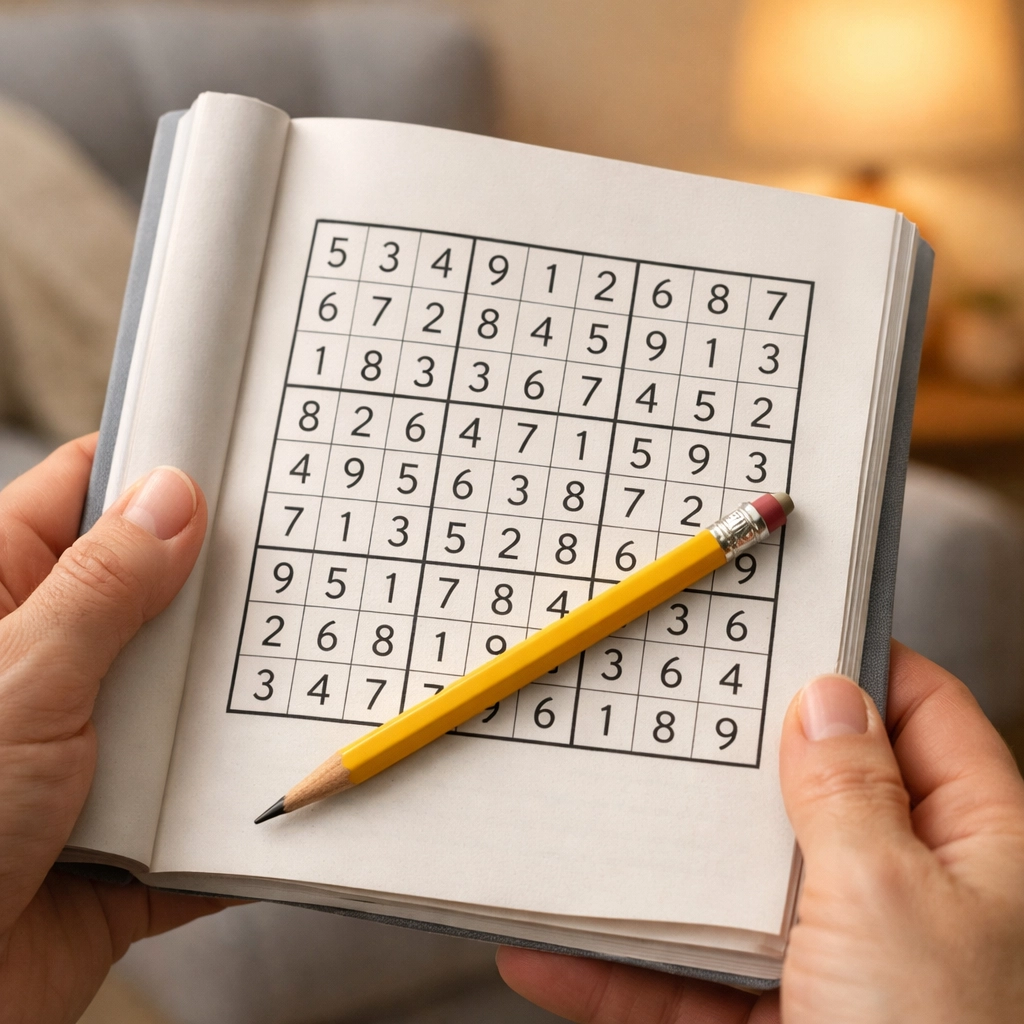
Can't concentrate? Don't fight it with massive projects. Start tiny.
Best picks: Mini puzzles, Rubik's cubes, pattern-matching games, or quick 15-minute challenges. The goal here is one small win that pulls your attention into a single point. Once you're locked in, your brain's reticular activating system kicks in: suddenly, focus feels effortless.
Try our Cogdoku challenges if you want something bite-sized but satisfying.
Your Move
Here's the takeaway: Your mood isn't a problem to fix: it's information. And puzzles? They're tools, not just hobbies. Next time you're feeling off, don't scroll aimlessly. Ask yourself what you actually need, then match the puzzle to the moment.
Ready to find your perfect fit? Browse our collection or join us at a live event. Your brain will thank you.


Comments