
The Competitive Edge: How to Host a High-Energy Puzzle Arena
- Mar 9
- 4 min read
Updated: Apr 9
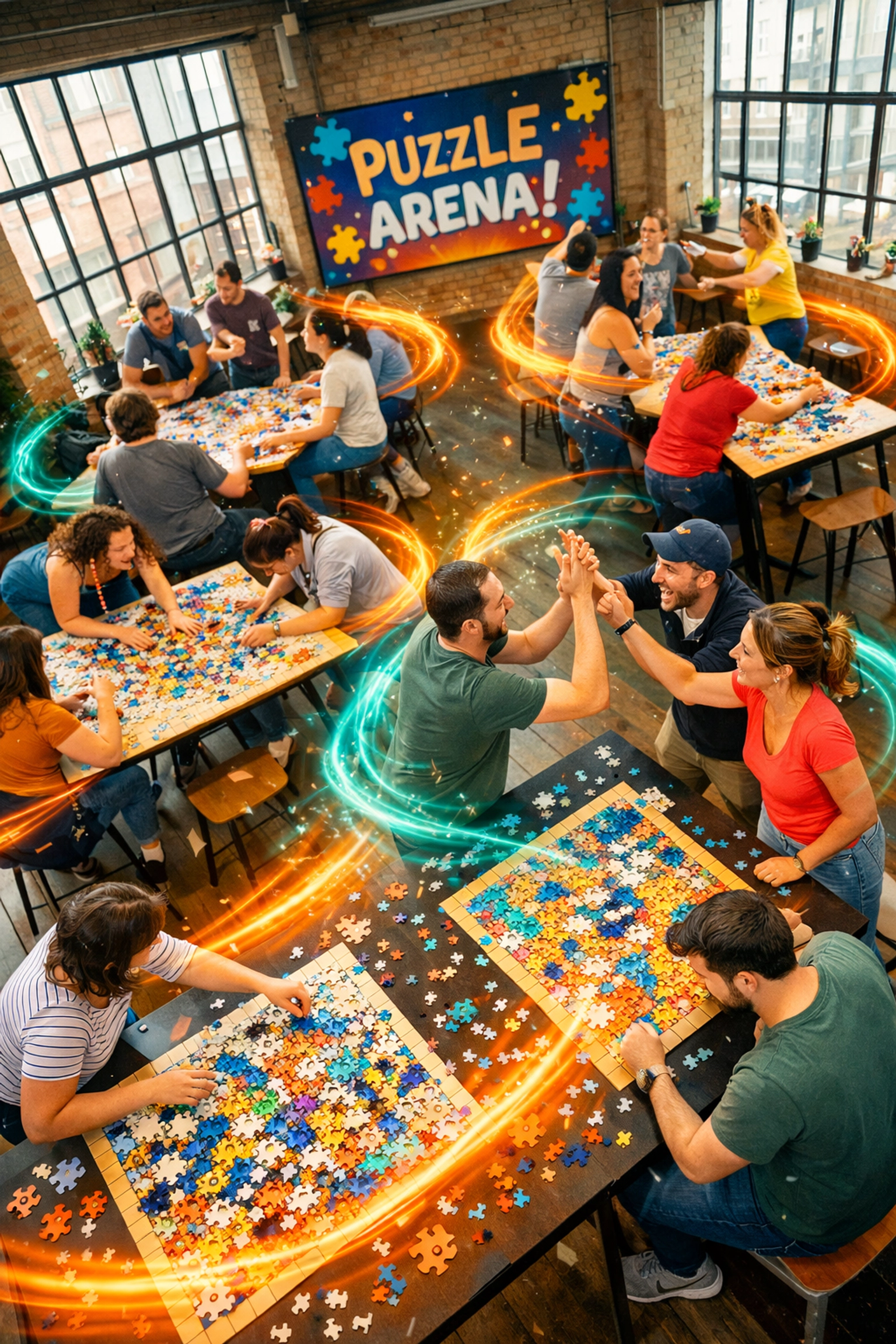
Forget the image of a dusty table in a quiet corner. When we talk about a Puzzle Arena, we’re talking about high-stakes energy, clicking pieces, ticking clocks, and the kind of roar that usually only happens at a sports bar during the playoffs.
At The Puzzle Maniac, we’ve seen firsthand how a humble jigsaw can transform a standard corporate mixer or a birthday party into an adrenaline-fueled battlefield. Whether you’re looking to foster better team dynamics or just want to host the most talked-about event of the year, hosting a competitive puzzle arena is your secret weapon.
Why Competitive Puzzling is the New "Game Night" King
Most people think of puzzles as a solo, meditative activity: and they are great for that! But when you add a timer and a rival team, the psychology changes. It shifts from a relaxing hobby to a test of spatial reasoning, communication, and leadership.
That’s why our CircZle Arena concept has taken off. It isn't just about putting pieces together; it's about how you perform when the heat is on. In fact, we’ve explored how competitive puzzle events improve decision-making under pressure, and the results are consistently impressive. Participants learn to delegate, manage "board clutter," and stay calm as the clock winds down.
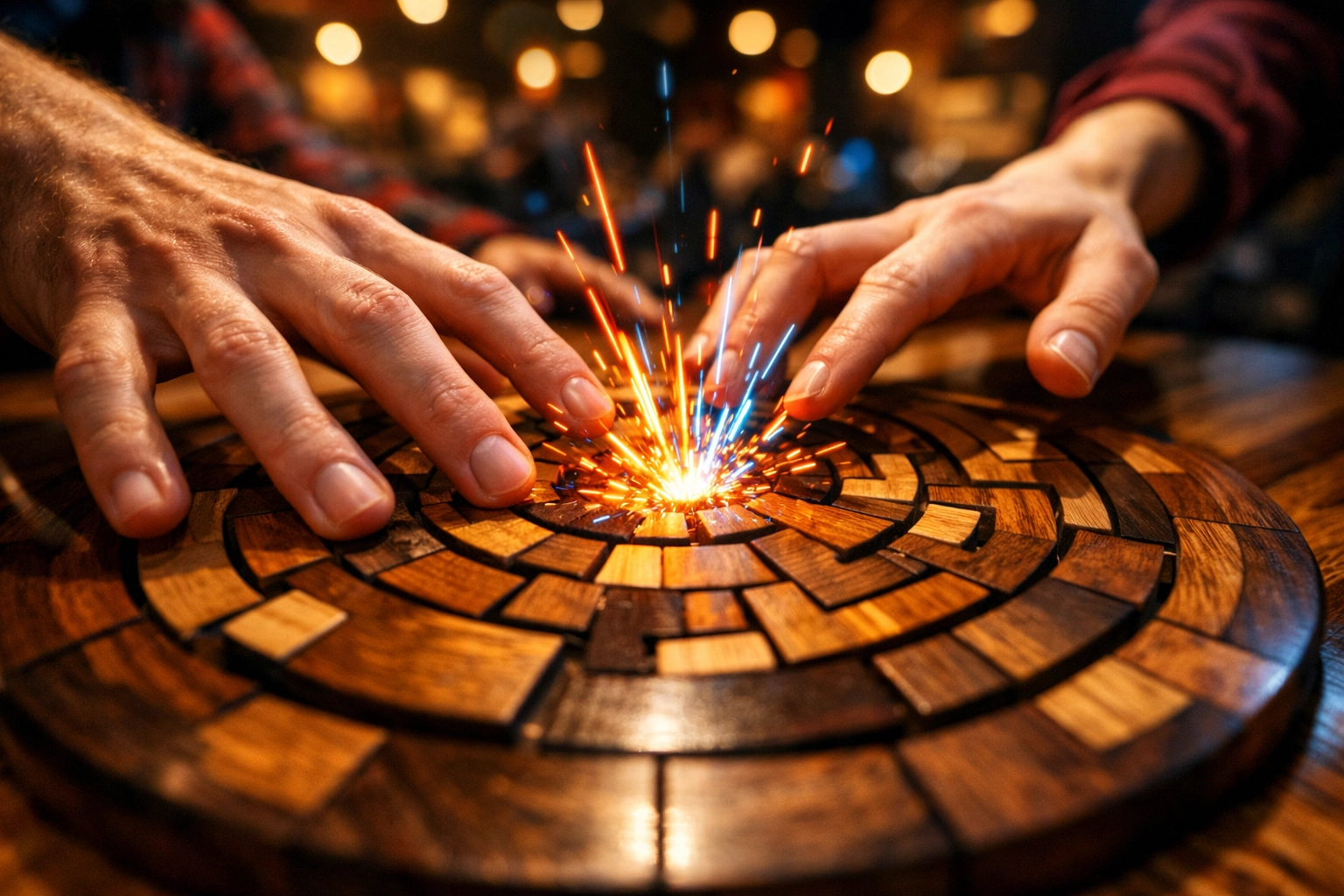
Step 1: Setting the Physical Stage
You can't host a high-energy event in a dark room with cramped tables. To keep the vibes high, you need the right environment.
Lighting is Non-Negotiable: You need bright, overhead lighting. If players are squinting to differentiate between shades of blue, the energy will dip. Use warm ambient light for the room, but ensure the tables themselves are brilliantly lit to eliminate glare.
Table Uniformity: Fairness is the foundation of any competition. Ensure every team has the exact same amount of surface area. A standard four-top café table is usually perfect for a 500-piece puzzle.
The "Buffer Zone": Leave at least three feet of space between tables. Competitive puzzlers tend to stand up, move around, and lean in. You don’t want teams literally bumping heads while they’re racing for the win.
Step 2: Choosing Your Weapons (The Puzzles)
For a true "Arena" feel, the puzzles must be identical. If Team A has a landscape and Team B has a collage, someone is going to claim the difficulty levels weren't fair.
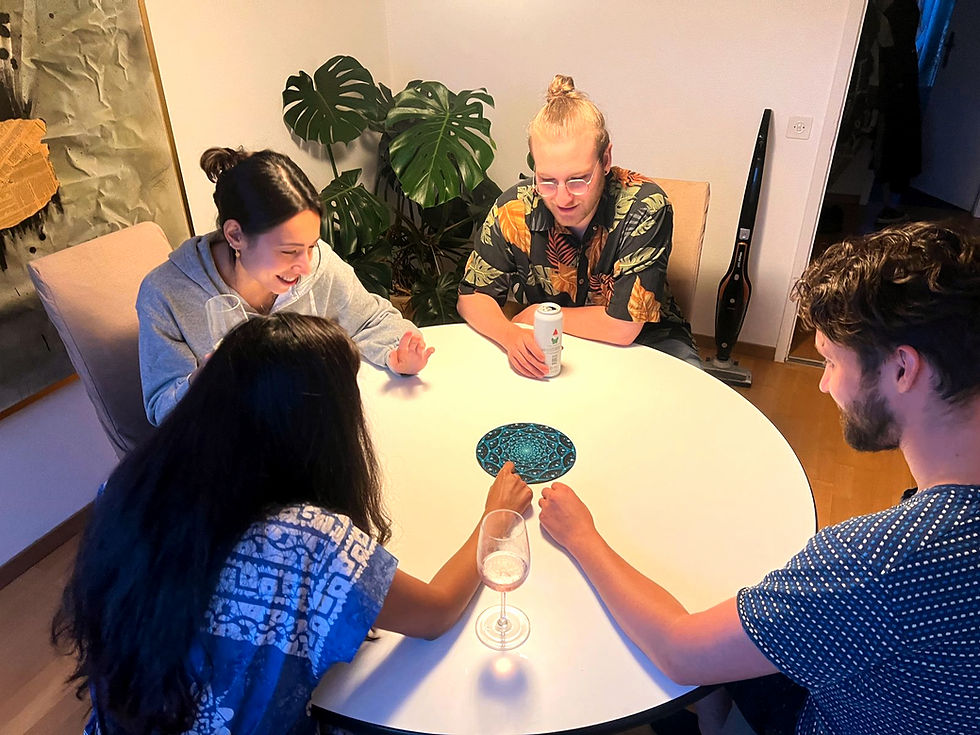
At The Puzzle Maniac, we recommend our circular wooden puzzles for competitions. Why? Because circular puzzles lack the traditional "start with the corners" advantage, forcing teams to develop new strategies on the fly. It levels the playing field for both beginners and pros. If you’re not sure which difficulty to pick, check out the ultimate guide to choosing the right puzzle for your mood to gauge what will fit your crowd’s skill level.
Step 3: Structure the Rounds for Maximum Hype
Don’t just throw people at a 1,000-piece puzzle and walk away for four hours. That’s a marathon, not an arena. For a high-energy event, you want a "Sprint" feel.
The Warm-Up: Start with a "Quick & Clever" round using mini puzzles (100-200 pieces). This gets the hands moving and the confidence building.
The Main Event: This is where the CircZle Arena truly shines. Give teams a 500-piece challenge with a hard 90-minute cutoff.
The Speed Marathon: If you have serious enthusiasts, consider a Cogdoku Speed Marathon where logic and speed collide.
Step 4: The Role of the MC
A puzzle competition without a moderator is just a room full of people working. You need someone on the mic. The MC should:
Give "time checks" every 15 minutes (and every minute for the last five!).
Commentate on team strategies: "Look at Table 4, they’ve gone for the center-out approach!"
Play high-tempo, non-distracting music. Think upbeat lo-fi or cinematic scores.
Step 5: Incorporating Social Elements
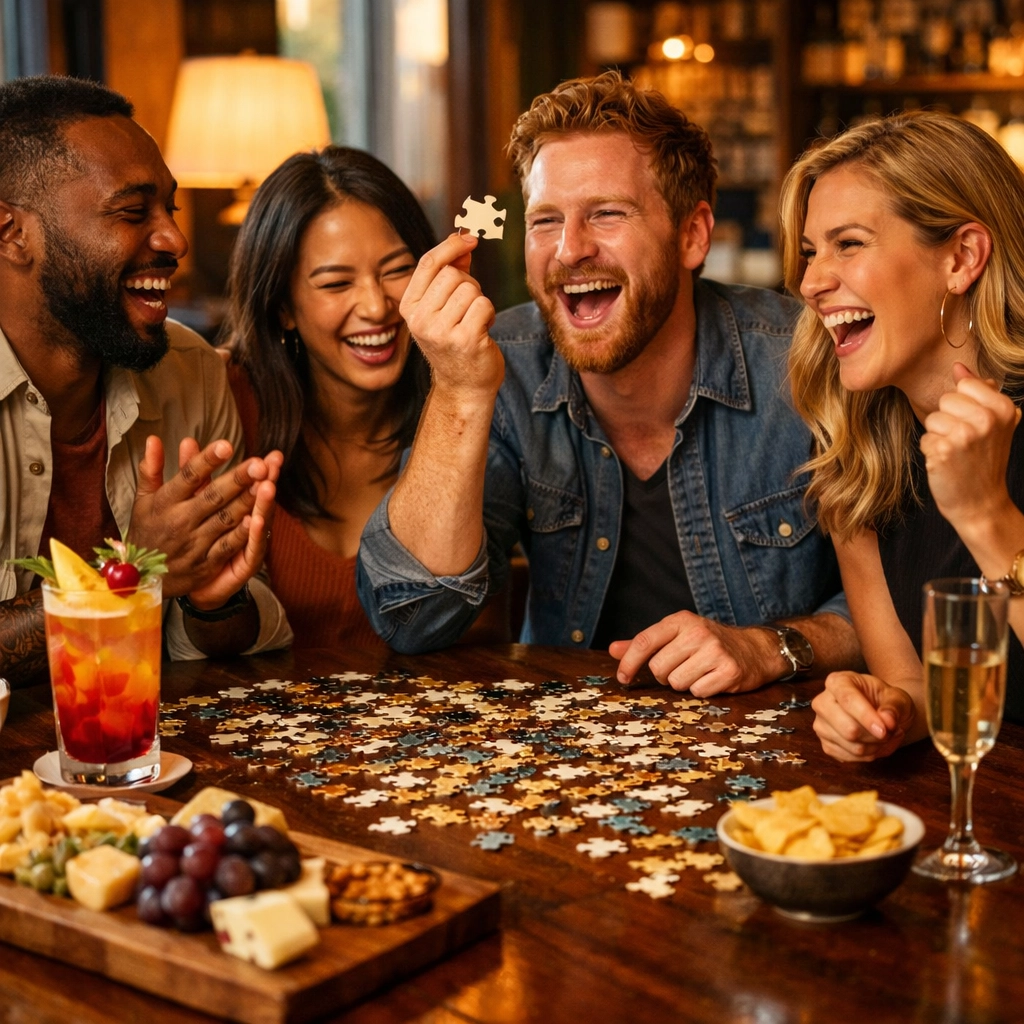
While the competition is the draw, the "social" is what makes it a night to remember. Many hosts turn these into "Sip and CircZles" events. Providing snacks and drinks allows for natural breaks and lets teams decompress between rounds. If you want to see how to balance the social with the puzzles, read our post on group puzzle activities and Sip and CircZles. It’s the perfect way to make the event feel like a party rather than a test.
Pro-Tips for a Clean Win
Box Top Etiquette: Decide early if teams are allowed to look at the box top. In pro competitions, this is usually allowed, but hiding it can add a "blind" challenge layer for experts.
The "Final Piece" Rule: Make it clear: the clock only stops when the last piece is clicked into place and the whole team raises their hands.
Prizes: Don’t just give a trophy. Offer the winning team a premium puzzle set or a discount on their next event booking.
Ready to Enter the Arena?
Hosting a puzzle arena is about more than just the pieces; it's about the connection made over the table. It’s the high-fives when a difficult section is completed and the friendly trash-talk with the neighboring table. It’s a screen-free, high-engagement way to bring people together.
Think you’ve got what it takes to organize the ultimate puzzle showdown?
Check out our upcoming events list to see an arena in action, or grab a few identical sets from our shop to host your own DIY competition this weekend. Let the clicking begin!
Summary Checklist for Your Puzzle Arena:
Identical Puzzles: Ensure fairness across all teams.
Pro Lighting: No shadows, no glare, no excuses.
Timed Sprints: Keep the rounds short and punchy.
Engaging MC: Keep the energy high and the clock visible.
Social Fuel: Drinks and snacks to keep the brains sharp.
Comments